Joséphine Markovits, in memoriam
This is how I remember her: laughing freely and delighting in the vibrant deep-orange landscape the colour of her hair. In 2008 I travelled together with ...
This is how I remember her: laughing freely and delighting in the vibrant deep-orange landscape the colour of her hair. In 2008 I travelled together with ...
I’ve spent the last months painstakingly and sometimes painfully writing a ‘cello concerto. The ‘cello is an instrument I think I know pretty well, having written ...
The first part of 2024 sees quite a range of my music being played in the towns where I live and work (!) Wonderful musicians from ...
The Ensemble Intercontemporain with film maker Jérémie Schellaert and interviewer Luc Hossepied created a beautiful short documentary about The Tailor of Time. The film includes footage ...

This is how I remember her: laughing freely and delighting in the vibrant deep-orange landscape the colour of her hair. In 2008 I travelled together with Joséphine Markovits and a few friends of mine to Kooljaman, an Aboriginal-owned and -run wilderness camp at Cape Leveque, on the extraordinarily beautiful Dampier Peninsula in Bardi Jawi Country, ...
I’ve spent the last months painstakingly and sometimes painfully writing a ‘cello concerto. The ‘cello is an instrument I think I know pretty well, having written several solo pieces for it as well as featuring it in numerous larger works. But so many times in composing this piece I had the sensation of scrabbling around, ...
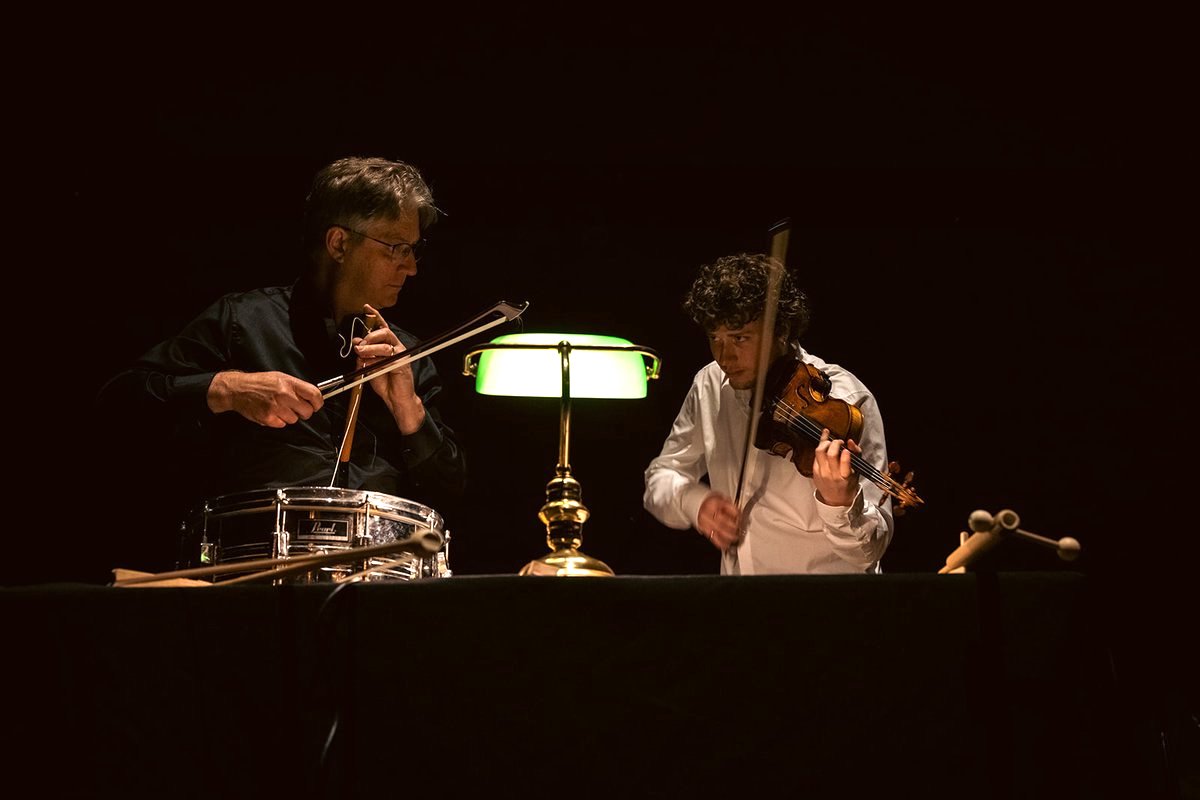
The first part of 2024 sees quite a range of my music being played in the towns where I live and work (!) Wonderful musicians from near and far will present both world and Australian premieres across the country. James Morley kicks off this ‘Australian season’ on 13 February 2024 with a performance of an ...
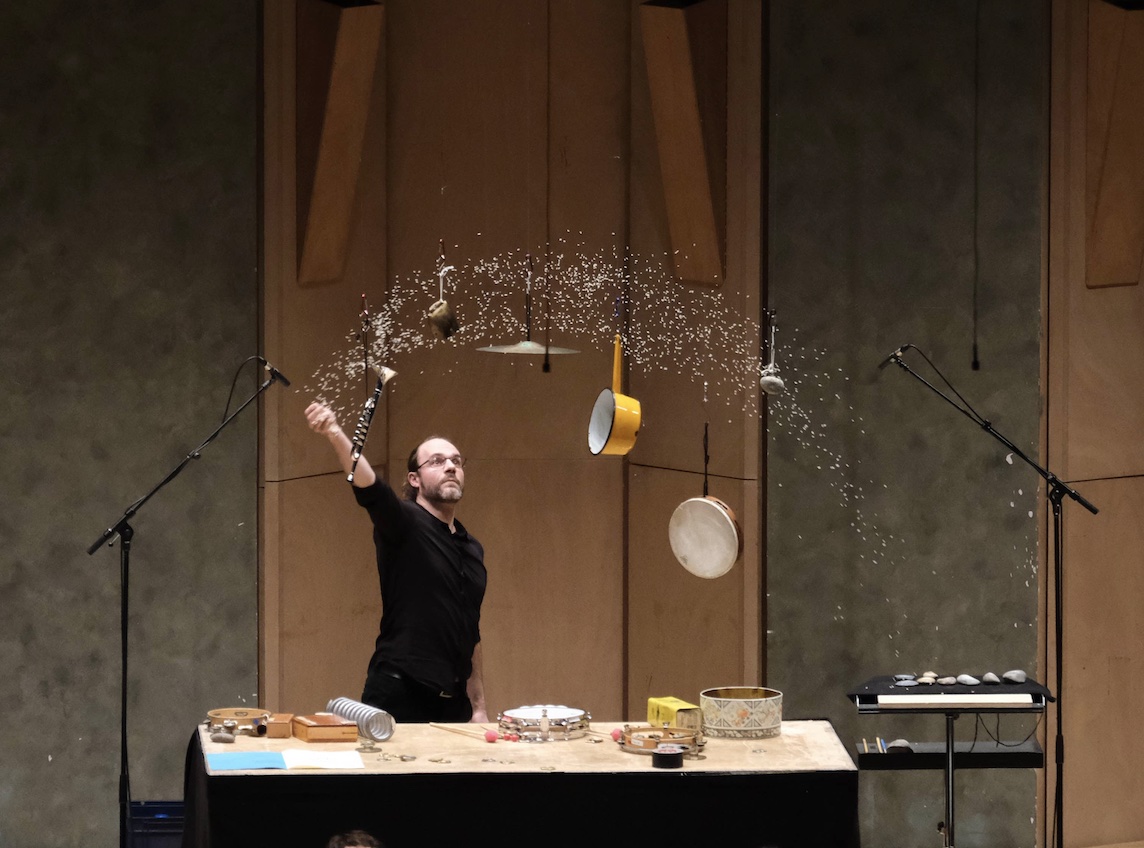
The Ensemble Intercontemporain with film maker Jérémie Schellaert and interviewer Luc Hossepied created a beautiful short documentary about The Tailor of Time. The film includes footage from the premiere of the work at Strasbourg Musica Festival (Sept 2023) with the EIC conducted by Pierre Bleuse and from the second performance a few weeks later at ...
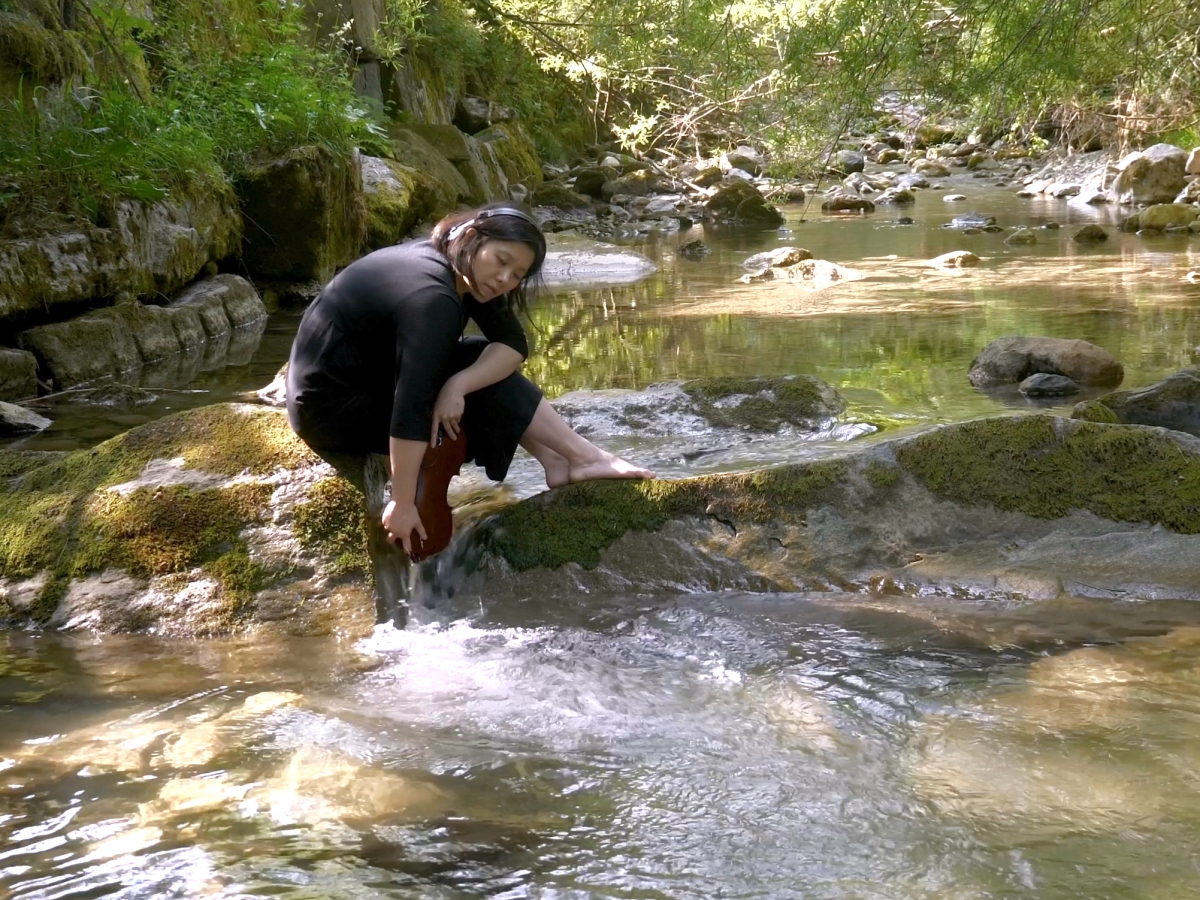
This is Part 2 of the ARTikulationen keynote talk given at Künstuniversität Graz entitled ‘Who are we and who else is here (Multispecies Knots of Ethical Time)‘ (see previous post for Part 1). This continues my speculations on the sentiency, the vitality of the more-than-human in a partnership with musical energies. Multispecies Knots of Ethical ...

I recently gave a keynote address for the ARTikulationen conference ‘Researching Across’ at Kunstuniversität in Graz and discussed two recent works: The Tailor of Time (2023) and Multispecies Knots of Ethical Time (2023). My talk focussed on some ideas or ‘thought experiments’ around multiplicity; on some perspectives, perceptions and experiences which resist notions of the ...
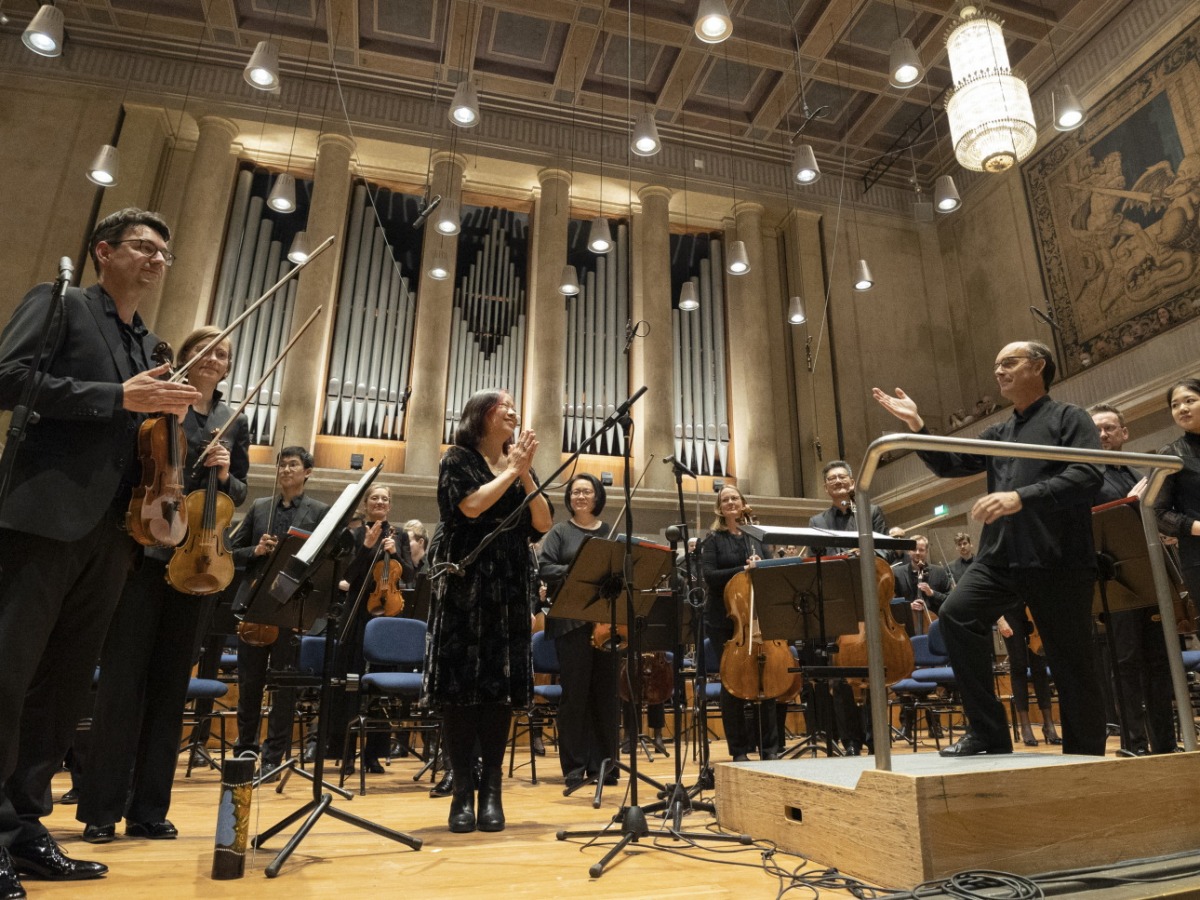
Reviews of Annunciation Triptych CD (WDR Sinfonie Orchester, conductor Cristian Măcelaru, soprano Emily Hindrichs) & of the concert with Mary/ Transcendence after Trauma by Bavarian Radio Symphony Orchestra (Musica Viva Munich, 12 May, 2023). #update 10 June, a few more CD reviews (in English) extracts from some of the longer CD reviews (in translation via ...

I’m thrilled to have a new CD out on the KAIROS label [they previously published my work Extinction Events and Dawn Chorus in 2020]. Annunciation Triptych is a 45-minute orchestral 3-part cycle (the last work includes soprano and adlib parts for singing audience) that celebrates three iconic female spiritual figures: The Ancient Greek poet Sappho, ...
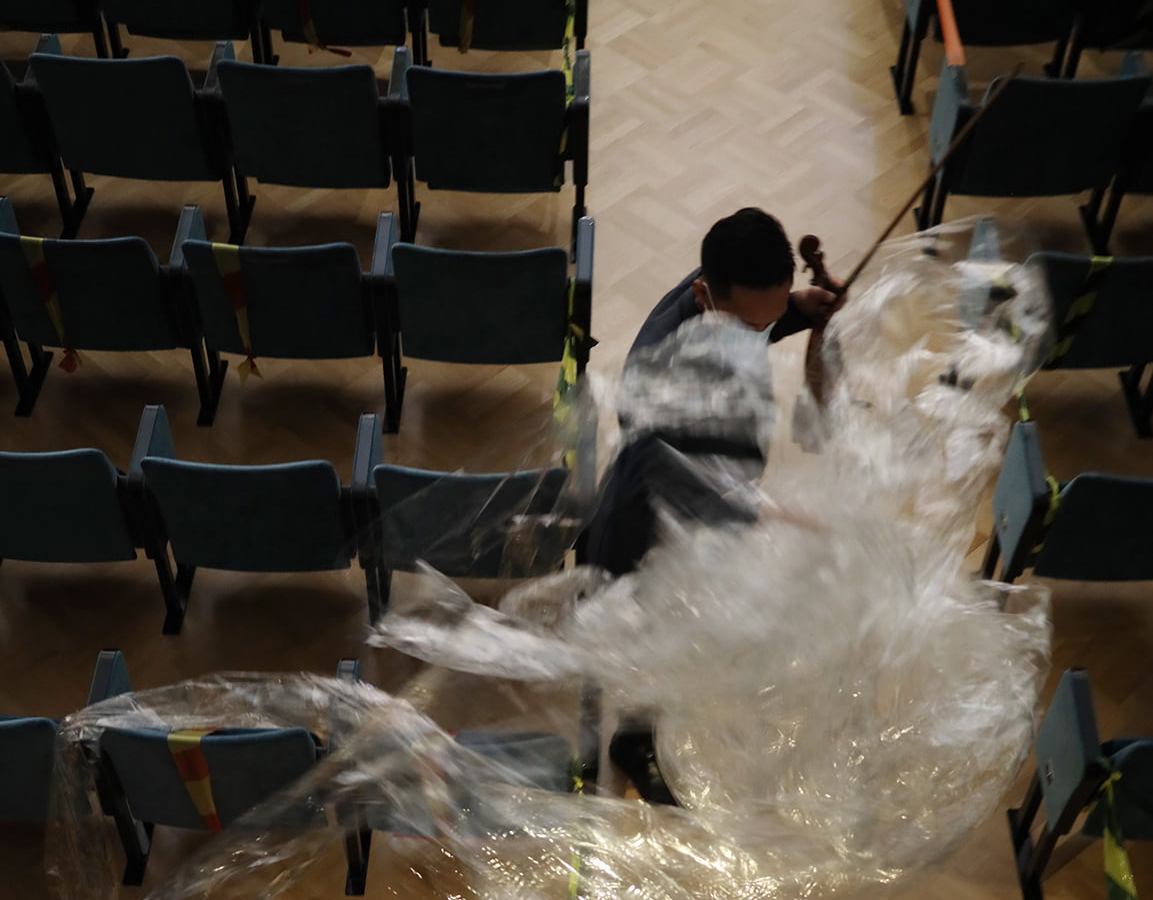
Extinction Events and Dawn Chorus Who would have thunk it? My work Extinction Events and Dawn Chorus (2018) has been taken up by new music ensembles and orchestras all over the place, with 9 performances last year from Aldeburgh to Berlin to New York. Ensemble Cepromusic in Mexico played it 3 times including it in ...

Composing the last part of Machine for Contacting the dead for the Ensemble Intercontemporain. Apartment in Rue du Temple in the Marais, Paris 1999. (photo: Daryl Buckley) Here are some rambling thoughts which I’ll keep trying to develop on this blog…this is not always articulate and for sure, not comprehensive, and I’d be interested to ...

(long newsletter post…) My year as composer-in-residence at the Wissenschaftskolleg zu Berlin (Institute of Advanced Studies) or ‘Wiko’, has recently come to a close (1 Sept 2021-30 June 2022). This is a residency like no other in which the ‘obligations’ comprise attending 4 lunches and a dinner during the week and giving a talk to ...

Three scores sit on my desk in Berlin. They make up my large orchestral cycle, Annunciation Triptych (2019-2022) comprising: I. Sappho/ Bioluminescence (2019-2020)II. Mary/ Transcendence after Trauma (2020-21)III. Fatimah/ Flowers of Jubilation (2021-22) The various parts of this 50-minute cycle were commissioned by the BBC Scottish Symphony Orchestra, the WestDeutscherRundfunk Sinfonie-Orchester, and the Symphonieorchester des ...

I’m very excited to post that I’ve just finished composing a work: World as Lover, World as Self, for solo piano and orchestra, commissioned by the Donaueschinger Musiktage for a premiere at the 100th Anniversary (!) edition of the festival on 15th October this year. The work is written for the fabulous pianist Tamara Stefanovich with ...

I’m incredibly honoured and touched to have been awarded the 2021 Happy New Ears prize from the Hans and Gertrud Zender Foundation. The composer Hans Zender (1936-2019) with his wife Gertrud Zender set up the prize referring to John Cage’s invitation to “listen without prejudice”. Awarded since 2011 in close collaboration with the Bavarian Academy ...
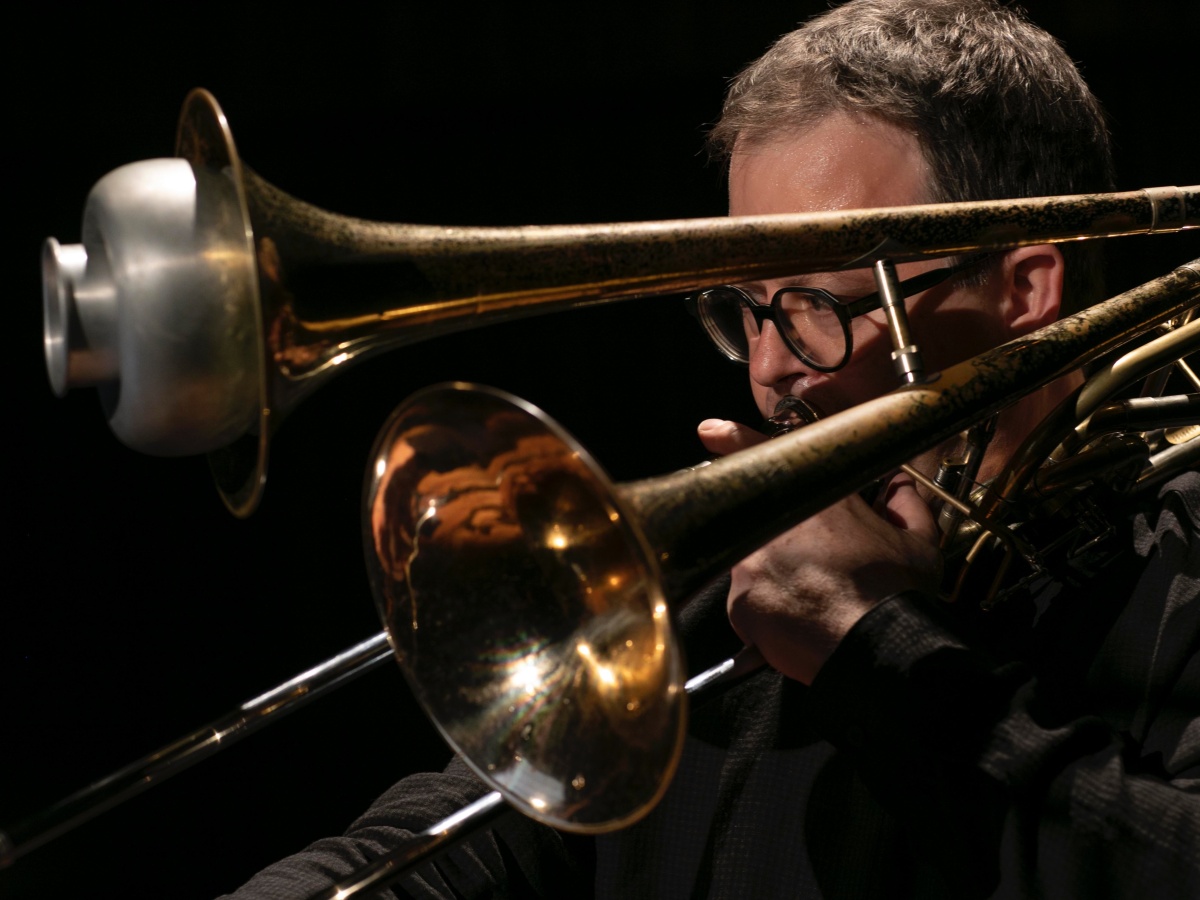
One emergent positive amongst the many negative impacts on the arts in these pandemic times has been the opening up of access to concerts and festival events from all over the world (as long as one has a good internet connection). In the past weeks, I’ve been able to catch fresh premieres from the 2021 ...

[Image credit: Riot Ensemble, ‘the arrival of the plastic’, Kings Place London, 14 Feb 2020] I’m very privileged to have several ‘in the flesh’ performances of my music coming up. My large 40-minute work Extinction Events and Dawn Chorus (2018) will be performed by the group that premiered and recorded it, Ensemble Klangforum Wien, with ...
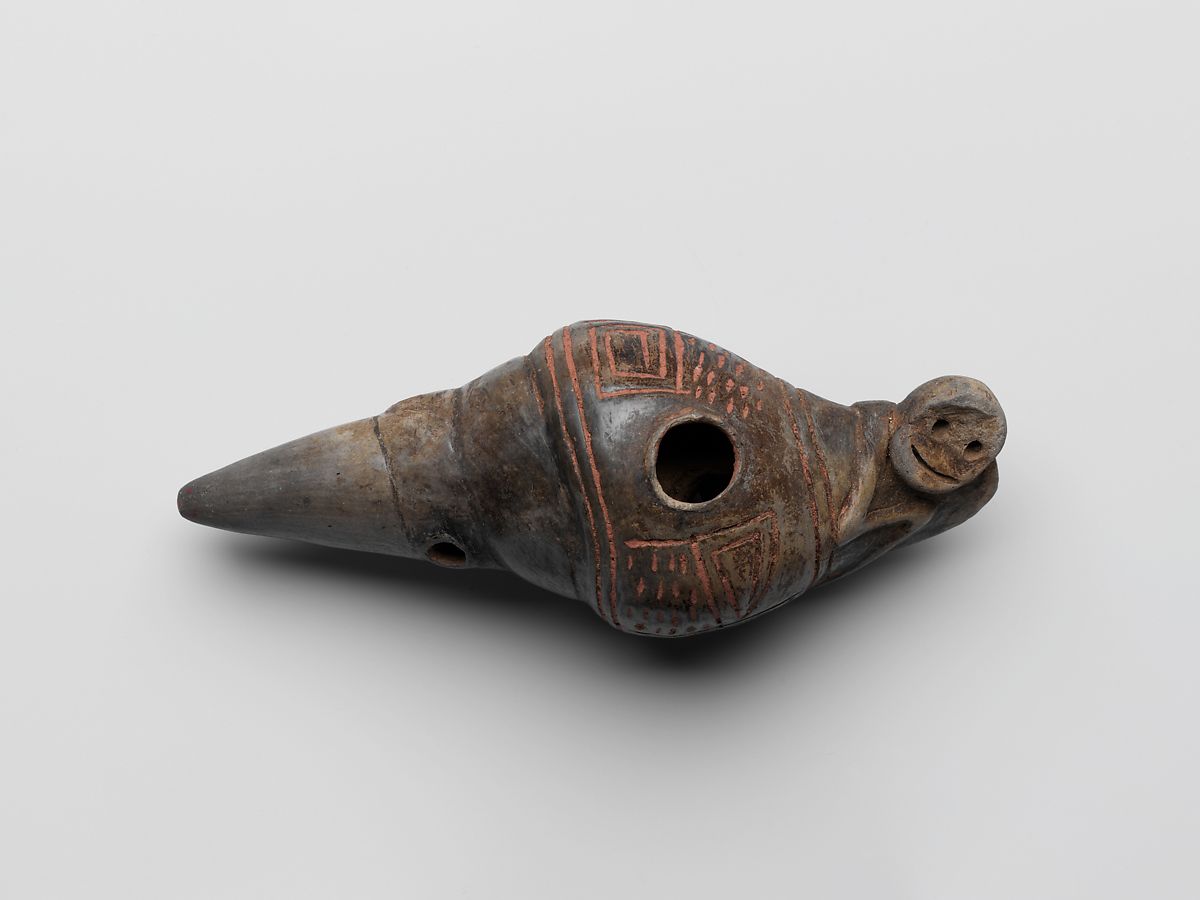
[image of pre-Columbian Nariño ocarina, Met Museum New York, public domain] Sex Magic is a 45-minute piece for contrabass flute (with alto ocarina, Aztec ‘death whistle’, bell, pedal bass drum), live electronics and installation of kinetic percussion written for & dedicated to Claire Chase. The work was commissioned by Claire Chase to be Part Vii ...

I’ve just completed writing the second orchestral piece of my Annunciation Triptych called ‘Mary/ Transcendence after Trauma’ for which I recently posted some sketches. I wrote about the first part, Sappho/ Bioluminescence earlier this year and now there’s one remaining part to compose, ‘Fatimah/ Flowers of Jubilation’. Mary/ Transcendence after Trauma was commissioned by the Musica Viva concert series ...

Ricordi newsletter: Spring Highlights: what’s new with Liza Lim Also: Interview with Lorelei Dowling about music & ecology for IDAGIO Live


 Liza Lim